
Case Study
MIAMI EDISON MADE WITH PARLEY OCEAN PLASTIC
Act Global and Adidas Partner Together to Make a Sustainable Football Field

Executive Summary
Worldwide sporting goods manufacturer, Adidas, made a commitment to end the use of virgin polyester in their shoes and apparel by 2024. In their mission to end plastic waste, they partnered with Act Global to donate a sustainably produced sports field to a lower income high school.
The Problem
The World has a problem with pollution, especially with plastic waste. Experts project roughly 55% of plastic exists in landfills or natural areas, reaping havoc ecosystems and harming animal life. Any new plastic created today is plastic pollution tomorrow. A typical turf field uses a large amount of virgin plastics and re-ground rubber.
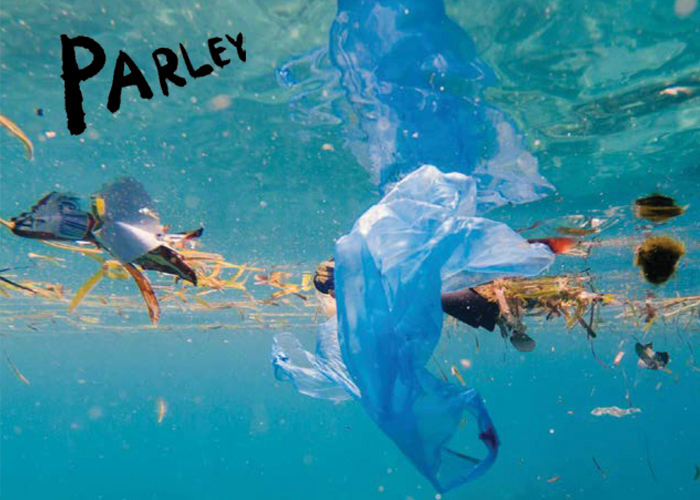
Facing Plastic Polution
The oceans give us life. We give them plastic. Parley’s mission is to address major threats towards our oceans, the most important ecosystem of our planet. An estimated 8 million metrics tons of plastic trash ends up in our oceans every year. Parley’s network of cleanup organizations goes out and collects plastic from shorelines and sea nets. Parley takes this plastic debris and transforms it into recycled materials that replaces the use of virgin plastics.
The Solution
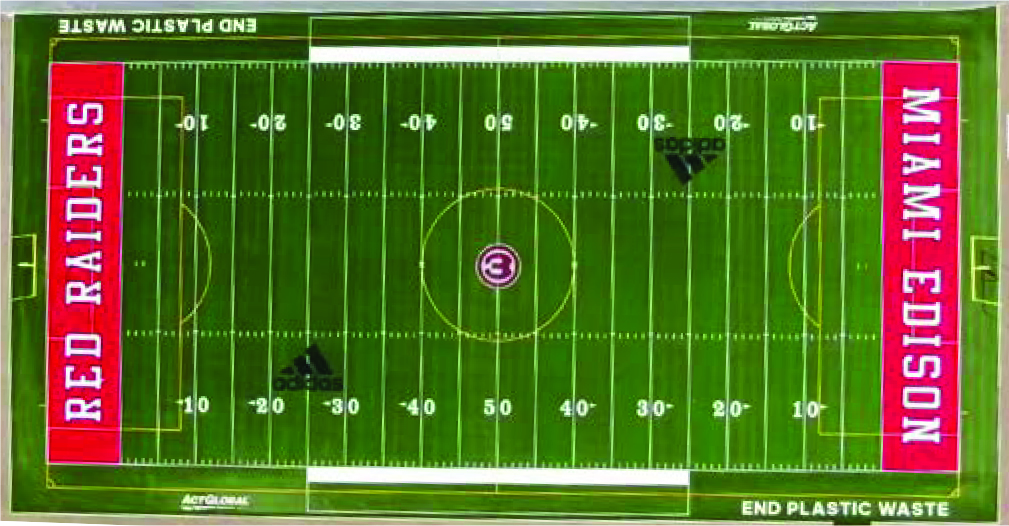
Our first step is to stop adding more (new) plastic into the world. The priority is to intercept plastics before they become waste and make them into usable materials to replace virgin plastics. Adidas and Act Global challenged themselves to take Parley ocean plastic and recycle it into infill to combat these environmental concerns.
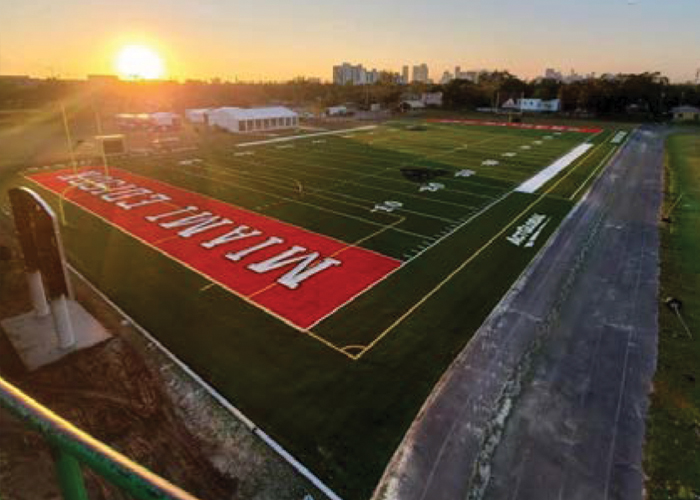
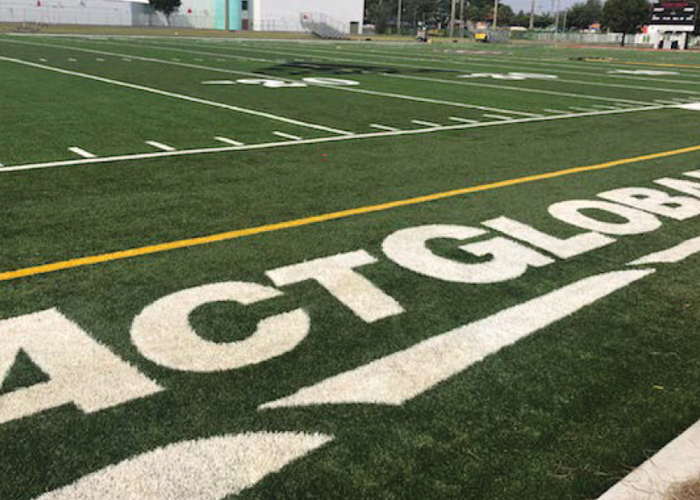
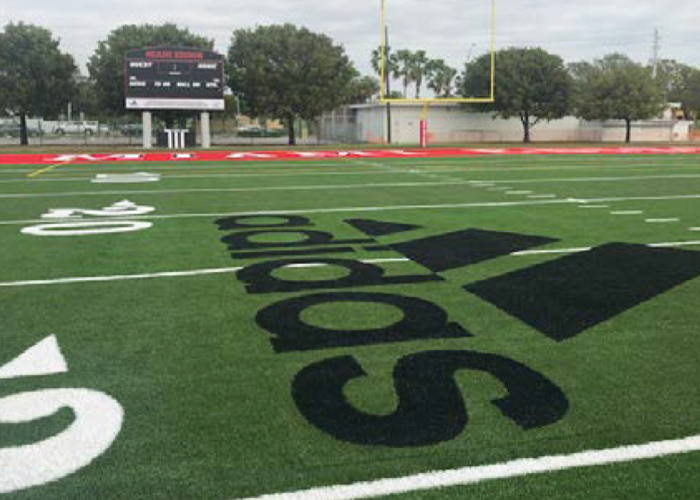
A full size multipurpose field was donated to Miami Edison High School (Miami, FL) in January of 2020. It is the first district field in the area and will have a lasting impact on the community. Students set foot on the field during a 7 on 7 match during Super Bowl LIV Weekend, showing off their new surface that was made from 1.8 million recycled plastic water bottles.
The sustainable field built was made from plastic bottles sourced from remote islands, beaches, coastal communities and shorelines. The plastic was then washed and treated before it was transformed and used to comprise the infill for the artificial field.
“We believe that through sport we have the power to change lives, and this field is a demonstration of our taking action on that belief. said in a statement. More than a place for these young athletes to play, it’s a reminder of our collective responsibility to end plastic waste.”