
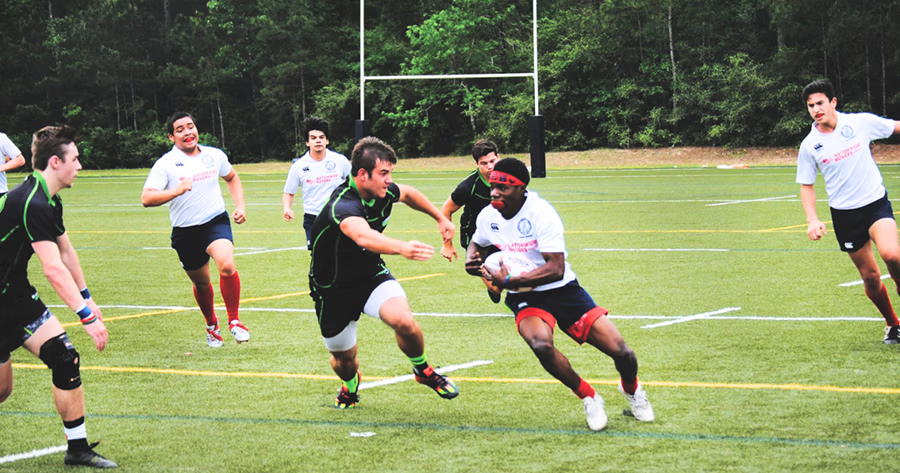
Player safety and player performance are directly influenced by sports surface design. High-performance artificial turf systems are engineered to optimize traction, shock absorption, energy return, and surface consistency, helping athletes move confidently while reducing injury risk.
The Connection Between Surface Design and Athletic Performance
An athlete’s performance depends heavily on the surface beneath them.
Poorly designed sports surfaces can lead to:
- · Reduced acceleration
- · Inconsistent footing
- · Premature fatigue
- · Higher injury risk
Modern artificial turf systems are engineered to create a consistent playing environment that supports athlete movement and responsiveness.
How Artificial Turf Enhances Player Safety
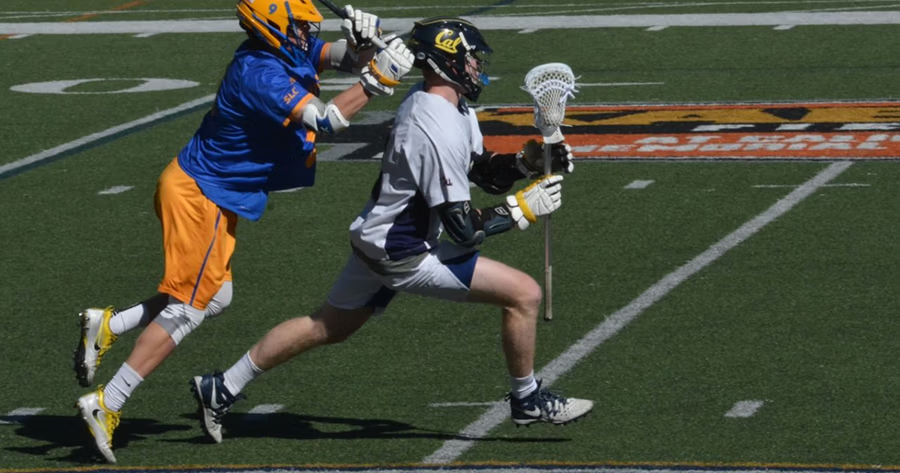
Safety-focused turf systems are built to reduce stress on the body while maintaining stability.
Key safety benefits include:
Shock Absorption
Helps reduce impact from:
- Falls
- Tackles
- Repetitive running and jumping
Balanced Traction
Supports:
- Controlled pivoting
- Safe directional changes
- Reduced slip risk
Lower Surface Abrasion
Advanced turf fibers minimize:
- Turf burns
- Skin friction injuries
How Turf Impacts Player Performance
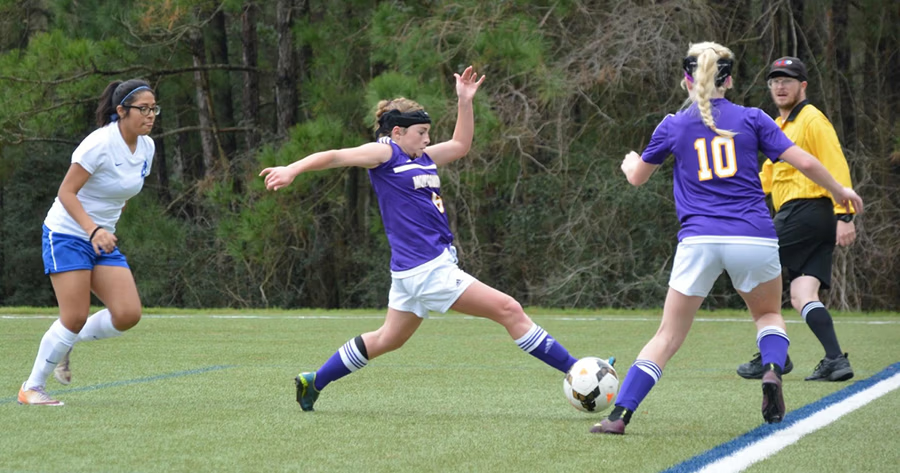
Performance turf systems help athletes perform at a higher level by providing:
Consistent Footing
Uniform surface response improves:
- Sprint mechanics
- Cutting efficiency
- Balance and control
Energy Return
Modern turf systems are designed to:
- Return energy efficiently
- Support explosive movements
- Reduce fatigue during play
Predictable Ball Behavior
Essential for sports such as:
- Soccer
- Football
- Field hockey
- Rugby
Key Turf Features That Influence Safety and Performance
The highest-performing turf systems are engineered around:
Fiber Construction
Premium fibers improve:
- Surface resilience
- Cleat interaction
- Athlete comfort
Infill Technology
Proper infill affects:
- Cushioning
- Traction
- Ball roll
- Heat retention
Shock Pad Layer
Provides:
- Additional impact protection
- Long-term performance consistency
Surface Consistency Matters
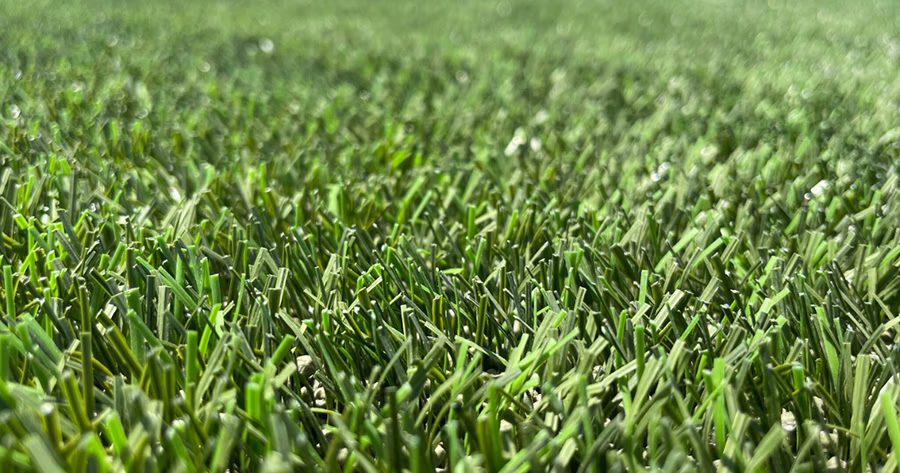
One of artificial turf’s biggest advantages over natural grass is consistency.
Unlike grass, turf is not affected by:
- Mud
- Bare spots
- Uneven wear
- Weather-related deterioration
This creates a more reliable performance surface year-round.
Final Thoughts
When evaluating turf for your facility, ask:
- Is the system independently tested?
- What traction and shock absorption metrics are available?
- Is the turf engineered for my sport?
- How does it perform under heavy usage?
- How consistent is performance over time?
Choosing a Turf System Designed for Athletes
The best artificial turf systems are designed with one goal in mind:
Protect athletes while helping them perform at their best.
By combining advanced engineering, independent testing, and sport-specific design, modern turf systems can deliver elite-level safety and performance across all levels of play.
FAQ Section
Does artificial turf improve athletic performance?
High-performance artificial turf can improve consistency, traction, and energy return, helping athletes perform more predictably and efficiently.
Is artificial turf safer than natural grass?
When properly designed and maintained, modern artificial turf can provide safety performance comparable to natural grass while offering greater consistency.
What turf features improve player safety?
Shock absorption, balanced traction, reduced abrasion, and proper infill selection all contribute to improved player safety.
