
Infill Options & Environmental Considerations
Infill is the material that fills the spaces between synthetic turf fibers, and it is one of the most consequential decisions in synthetic turf system specification. Infill choice affects safety, performance, heat management, environmental impact, and lifecycle cost. Act Global presents honest tradeoffs across all major infill options, not a single preferred answer.
Major Infill Categories
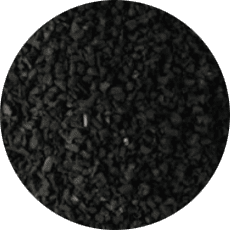
Crumb Rubber
The most widely used infill globally. Produced from recycled tires. Provides excellent energy restitution and rotational resistance performance. Retains more heat than alternatives. Subject to ongoing PFAS and chemical exposure research. Cost-effective and widely available.
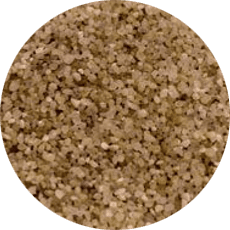
Silica Sand
The most common secondary infill, often used in combination with crumb rubber. Provides ballast and stability. Minimal environmental concerns. Limited elastic contribution to energy restitution. Often used as the primary infill in low-cost or low-use systems.
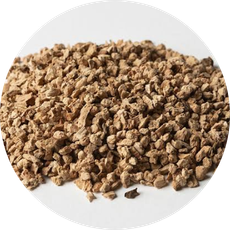
Cork
Natural organic infill derived from cork oak bark. Lower heat retention than crumb rubber. Good performance characteristics. Higher cost than crumb rubber or sand. Biodegradable at end of life. Growing in adoption in Europe and sustainability-focused projects.
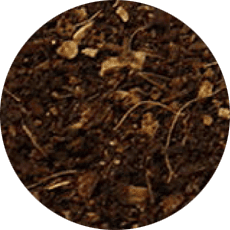
Organic Blends
Various combinations of cork, coconut fiber, and other natural materials. Designed to optimize performance while minimizing environmental impact. Cost and availability vary. Performance characteristics depend on specific blend composition and system design.
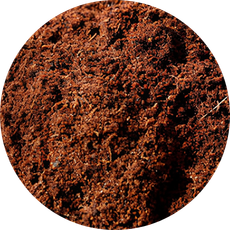
Coconut Fiber
Natural organic infill with good performance characteristics and low heat retention. Biodegradable. Limited availability compared to crumb rubber or sand. Used in environmentally focused installations.
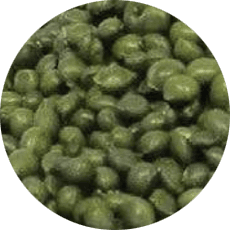
TPE Thermoplastic Elastomer
Synthetic infill produced without recycled tire material. Designed to address PFAS and chemical concerns associated with crumb rubber. Good performance characteristics. Higher cost than crumb rubber. Recyclable at end of life in some programs.
Shock Pads
Synthetic turf systems have the option to be installed over a pad to offer better shock absorption and drainage. The pad can also provide a smoother playing surface, increase the lifespan of the field and allow for higher sand infill ratios for faster play. Many pads are extremely durable and can be reused for a field replacement.
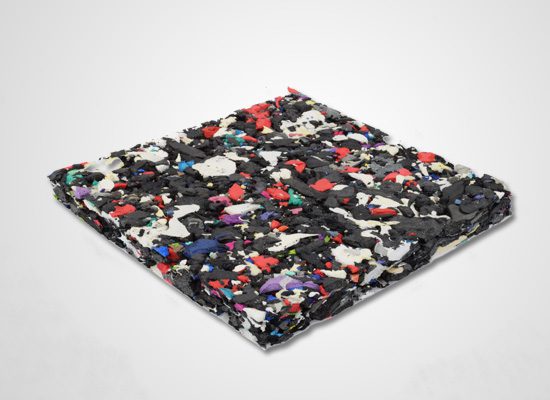
Schmitz Foam – Pro Play
ProPlay is made of closed-cell crosslinked polyethylene foams (XPE). The pad delivers the required sports performance, player safety and field drainage.
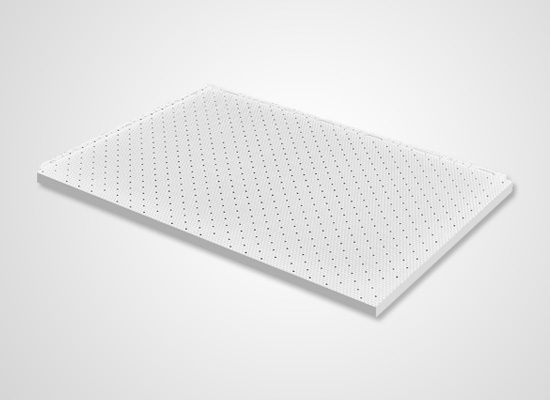
Power Base YSR
This pad is a system of polypropylene panels that provide stability, shock absorption and drainage for sports and landscape applications.
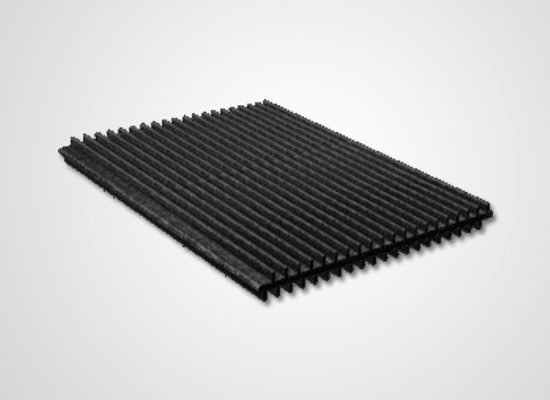
En-Plast - Shockdrain
It’s comprised of Thermoplastic Elastomers Polyolefin Composites (TEPC). The pad is 100% recyclable and meets the most stringent regulatory requirements for shock absorption and drainage.
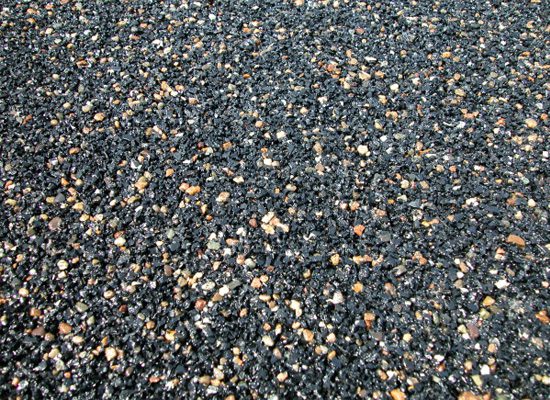
Elastic Layer (In Situ)
It’s a single layer, permeable, resilient polyurethane shock pad that is paved-in-place on site. It’s comprised of a mix of small stones, foam and rubber granules bound by high grade polyurethane binder.
How to Choose
Infill selection should be based on the specific requirements of the installation, sport type, use intensity, climate, budget, environmental priorities, and performance targets. No single infill is optimal for all applications. Act Global specifies infill as part of a complete system design, not as a standalone product recommendation.
Key questions for infill selection:
- What are the primary sports and use intensity on this field?
- What are the climate conditions, temperature, rainfall, UV exposure?
- What are the budget parameters for initial installation and lifecycle maintenance?
- What environmental priorities apply, heat management, PFAS avoidance, end-of-life recyclability?
- What performance targets, g-max, rotational resistance, energy restitution, must be met?